
1259 Alma Dr Suite 100, Allen, TX 75013



Restorative Dentistry Allen: Is This Right for You?

Restorative Dentistry Allen: Is This Right for You?
Your smile tells a story. Sometimes that story includes chips, cracks, missing teeth, or discomfort that affects your daily life. Restorative dentistry Allen offers solutions to repair and rebuild damaged teeth, restoring both function and appearance. But how do you know if it’s the right choice for your unique situation?
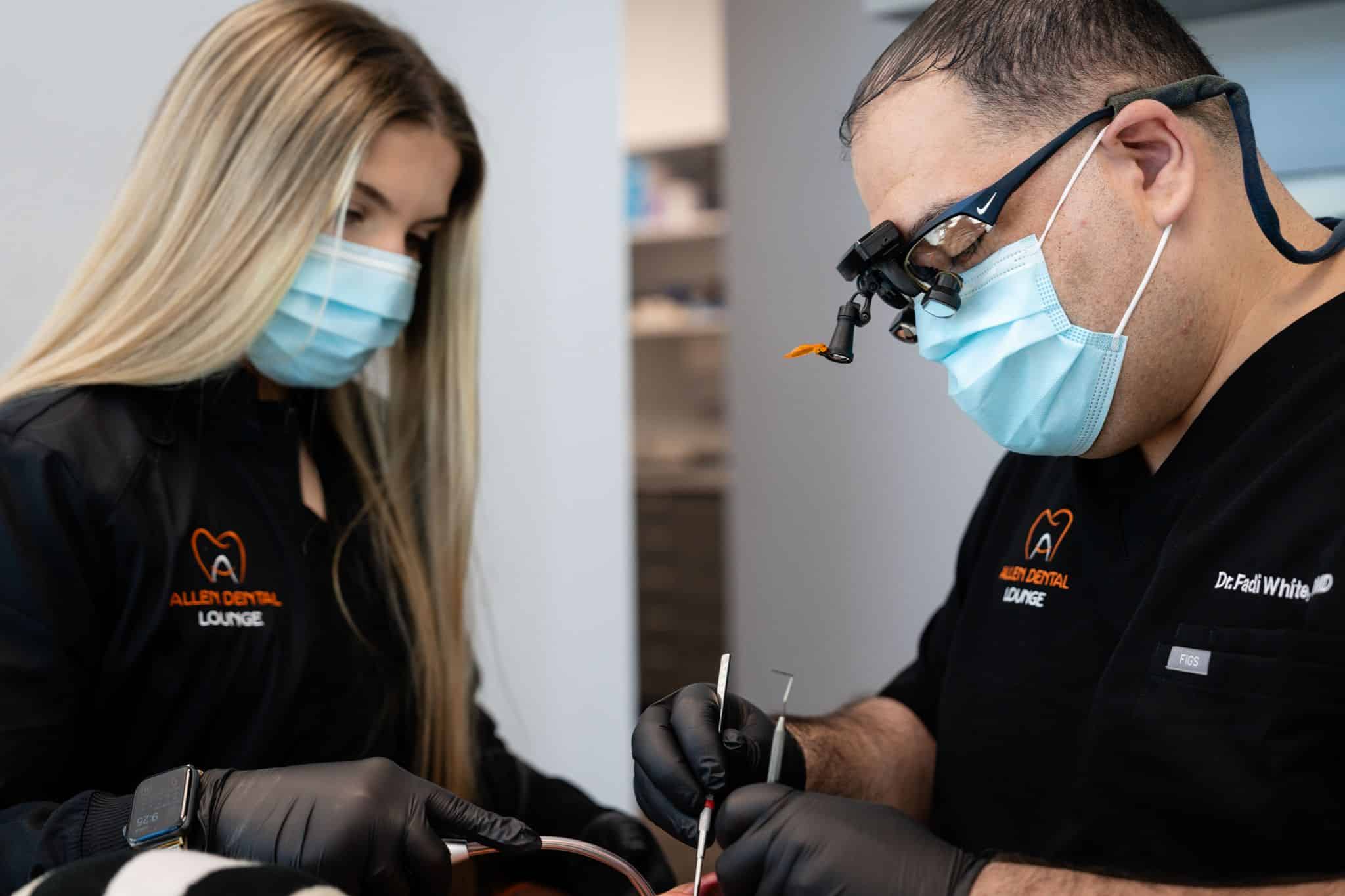
At Allen Dental Lounge, Dr. Fadi White helps patients understand their options through personalized consultations. This guide walks you through the signs that restorative dentistry might be your best path forward. We’ll also explore when alternative treatments could serve you better.
With graduation ceremonies and prom photos filling the calendar this late spring season in Allen, many families are thinking about their smiles. Let’s explore whether restorative solutions fit your needs.
What Restorative Dentistry Addresses
Restorative dentistry focuses on repairing or replacing damaged or missing teeth. It goes beyond cosmetic concerns to address functional problems that affect eating, speaking, and oral health. The goal is to restore your mouth to optimal health and appearance.
Common restorative procedures include dental crowns, bridges, implants, and fillings. Each treatment targets specific problems. Crowns cover damaged teeth to protect them from further harm. Bridges fill gaps left by missing teeth. Implants replace tooth roots with titanium posts that support artificial teeth.
These treatments often overlap with preventive and cosmetic dentistry. However, restorative work specifically repairs existing damage. It’s not just about looking better. It’s about functioning better and preventing additional dental problems down the road.
The hot, humid climate in Allen, TX means many residents enjoy outdoor activities and sports. These pursuits sometimes lead to dental injuries that require restorative care. Understanding your options helps you make informed decisions when accidents happen.
Signs You May Be a Good Candidate for Restorative Dentistry
Certain symptoms and situations indicate that restorative dentistry could significantly improve your oral health. Recognizing these signs helps you seek treatment before minor problems become major complications.
- You have one or more missing teeth that create gaps in your smile
- Tooth decay has progressed beyond what a simple filling can address
- You experience chronic tooth pain or sensitivity that won’t resolve
- Your teeth have visible chips, cracks, or fractures from injury or wear
- You struggle to chew certain foods due to damaged or missing teeth
- Old dental work like fillings or crowns has failed and needs replacement
- You notice your bite feels uneven or your jaw hurts when chewing
- You’ve been told you need root canal therapy to save a damaged tooth
Missing teeth do more than create cosmetic concerns. They allow surrounding teeth to shift out of position. This movement creates alignment issues that compound over time. The sooner you address gaps, the fewer complications you’ll face later.
Damaged teeth also affect your confidence. If you find yourself hiding your smile in photos or avoiding social situations, restorative treatments can help. Your dental team understands the emotional impact of dental problems.
Signs You May Want a Different Approach
Restorative dentistry isn’t always the first or best option. Sometimes preventive care, orthodontics, or cosmetic treatments better address your specific concerns. Being honest about your goals helps your dentist recommend the most appropriate path.
- Your teeth are healthy but you want to change their color or shape
- You need routine preventive care like cleanings rather than repair work
- Alignment issues require orthodontic treatment before restorative work
- You have gum disease that needs treatment before dental restorations
- Your tooth damage is so minimal that watchful waiting makes more sense
- You prefer exploring conservative treatments like fluoride or bonding first
- Your primary concern is whitening or purely aesthetic enhancement
Some patients assume they need extensive restorative work when simpler solutions exist. For example, teeth whitening combined with cosmetic bonding might achieve your desired look without crowns or veneers. A thorough examination reveals which treatments truly match your needs.
Timing also matters. If you’re planning orthodontic treatment, it often makes sense to complete that first. Moving teeth into proper alignment before placing permanent restorations ensures better outcomes. Your dentist can create a comprehensive treatment plan that sequences procedures appropriately.
Understanding Your Candidacy Through Professional Evaluation
Self-assessment provides valuable clues, but only a professional examination determines your true candidacy for restorative dentistry. Dr. Fadi White conducts comprehensive evaluations that reveal the full picture of your oral health.
During your consultation, expect a detailed visual exam of all teeth and gums. Digital X-rays show what’s happening beneath the surface. These images reveal decay, bone loss, and root problems invisible to the naked eye. Advanced imaging technology helps identify issues in their earliest stages.
Your dentist will also discuss your symptoms, concerns, and goals. This conversation matters as much as the clinical findings. Perhaps you’ve been living with discomfort for months. Maybe you’re preparing for important life events and want to feel confident in photos. Understanding your priorities shapes the treatment recommendations.
Dr. White takes time to explain all available options during consultations. He presents the pros and cons of different approaches. Some patients qualify for multiple treatment paths. Having complete information empowers you to choose what aligns with your values, timeline, and goals.
Factors That Influence Your Treatment Path
Several considerations affect whether restorative dentistry is your best option right now. Your dentist weighs these factors when developing personalized recommendations.
Your overall oral health status plays a major role. Active gum disease requires treatment before placing restorations. Untreated infection can compromise the success of dental work. Addressing foundational health issues first creates a stable environment for lasting results.
The extent of damage matters significantly. A small cavity needs a simple filling. Extensive decay that reaches the tooth pulp requires root canal therapy and a crown. Completely missing teeth demand implants or bridges. The severity of your condition directly influences which treatments suit your situation.
Your long-term dental goals also guide decisions. If you want a solution that lasts decades with minimal maintenance, implants might be ideal. If you prefer a faster, less invasive option, a bridge could work better. Understanding what success looks like for you personally helps your dentist tailor recommendations.
Lifestyle factors come into play as well. Athletes who play contact sports need protective solutions. People who grind their teeth at night require durable restorations that withstand pressure. Your daily habits and activities influence which materials and techniques will serve you best.
The Consultation Process at Allen Dental Lounge
Determining if restorative dentistry is right for you begins with a thorough consultation. This appointment gives you and Dr. White the opportunity to explore your needs without pressure or rush.
The process starts with a comprehensive oral examination. Dr. White checks every tooth for signs of decay, damage, or wear. He evaluates your gums for health and stability. He assesses your bite to identify alignment issues that might affect treatment outcomes.
Diagnostic imaging provides crucial information. X-rays reveal problems like hidden cavities, bone loss, and root damage. Intraoral cameras let you see what your dentist sees. Viewing images of your own teeth helps you understand why certain treatments are recommended.
After gathering information, Dr. White discusses findings in language you can understand. He explains which problems need immediate attention and which can wait. He presents treatment options with realistic expectations about outcomes, timeframes, and what to expect during procedures.
This is your opportunity to ask questions. Bring a list of concerns to your appointment. Ask about alternatives, healing times, and what life will be like after treatment. The more you understand, the more confident you’ll feel about moving forward.
Making Your Decision With Confidence
Choosing whether to pursue restorative dentistry is deeply personal. You deserve time to consider your options without feeling rushed. The right treatment plan aligns with your health needs, aesthetic goals, and personal values.
Consider what’s most important to you. Some patients prioritize durability and choose solutions like implants that can last a lifetime. Others value speed and opt for treatments with shorter timelines. Neither choice is wrong. What matters is selecting what fits your life.
Think about how dental problems currently affect you. Do you avoid certain foods because chewing hurts? Do you feel self-conscious smiling in photos? Are you experiencing pain that disrupts your daily activities? The impact of your dental issues often clarifies which treatments make sense.
Remember that doing nothing is also a choice with consequences. Untreated dental problems typically worsen over time. Small cavities become large ones. Cracked teeth break further. Missing teeth lead to bone loss and shifting. Early intervention usually means simpler, more affordable treatment.
Many Allen residents schedule consultations as the school year winds down and summer approaches. End-of-school cleanings often reveal issues that benefit from restorative care. Starting treatment now means you can enjoy summer activities with a healthier, more confident smile.
Taking the Next Step Toward a Restored Smile
If you recognize yourself in the signs of a good candidate, a consultation can confirm whether restorative dentistry suits your needs. Dr. Fadi White and the team at Allen Dental Lounge provide expert guidance in a comfortable, welcoming environment. You’ll receive honest recommendations tailored to your unique situation.
Whether you need a single crown or a comprehensive restoration plan, understanding your options starts with a conversation. Professional evaluation removes guesswork and provides clarity. You’ll leave your appointment knowing exactly what’s happening in your mouth and what can be done about it.
Your smile deserves attention from someone who combines clinical expertise with genuine care. At Allen Dental Lounge, we treat every patient as an individual with unique needs and goals. We’re here to help you make informed decisions that support your long-term oral health. Book Now to schedule your appointment with our team.
Frequently Asked Questions
How do I know if I need restorative dentistry or just cosmetic work?
Restorative dentistry addresses functional problems like decay, damage, or missing teeth that affect your ability to eat and speak normally. Cosmetic dentistry improves appearance without necessarily fixing health issues. If you have pain, difficulty chewing, or structural damage, you likely need restorative care. A comprehensive exam helps your dentist determine which category your concerns fall into and whether treatments overlap.
Can restorative dentistry fix teeth damaged by grinding?
Yes, restorative treatments like crowns can repair teeth worn down or cracked from grinding. However, addressing the grinding habit itself is equally important. Your dentist may recommend a nightguard to protect your restorations and remaining natural teeth. Without treating the underlying cause, even the best restorations can suffer damage over time.
How long does the consultation process take?
A comprehensive restorative dentistry consultation typically takes 45 to 60 minutes. This allows time for examination, imaging, discussion of findings, and questions. Dr. White believes in thorough evaluations that don’t feel rushed. You’ll leave with a clear understanding of your oral health status and recommended treatment options.
What happens if I delay restorative treatment?
Delaying necessary restorative work usually allows problems to worsen. Small cavities grow larger and may require root canals instead of simple fillings. Cracked teeth can break completely, sometimes beyond repair. Missing teeth cause neighboring teeth to shift and bone to deteriorate. Early treatment typically means less extensive and less costly procedures.
Are there age restrictions for restorative dentistry?
Restorative dentistry benefits patients of all ages. Children may need fillings or crowns for severely decayed baby teeth. Adults commonly receive implants, bridges, and crowns. Seniors often benefit from full-mouth restorations. The specific treatments recommended depend on your individual oral health status, not your age. Dr. White tailors treatment plans to each patient’s unique needs and circumstances.
Allen Dental Lounge