
1259 Alma Dr Suite 100, Allen, TX 75013



Dental Emergencies in Kids: What Parents Must Do Immediately

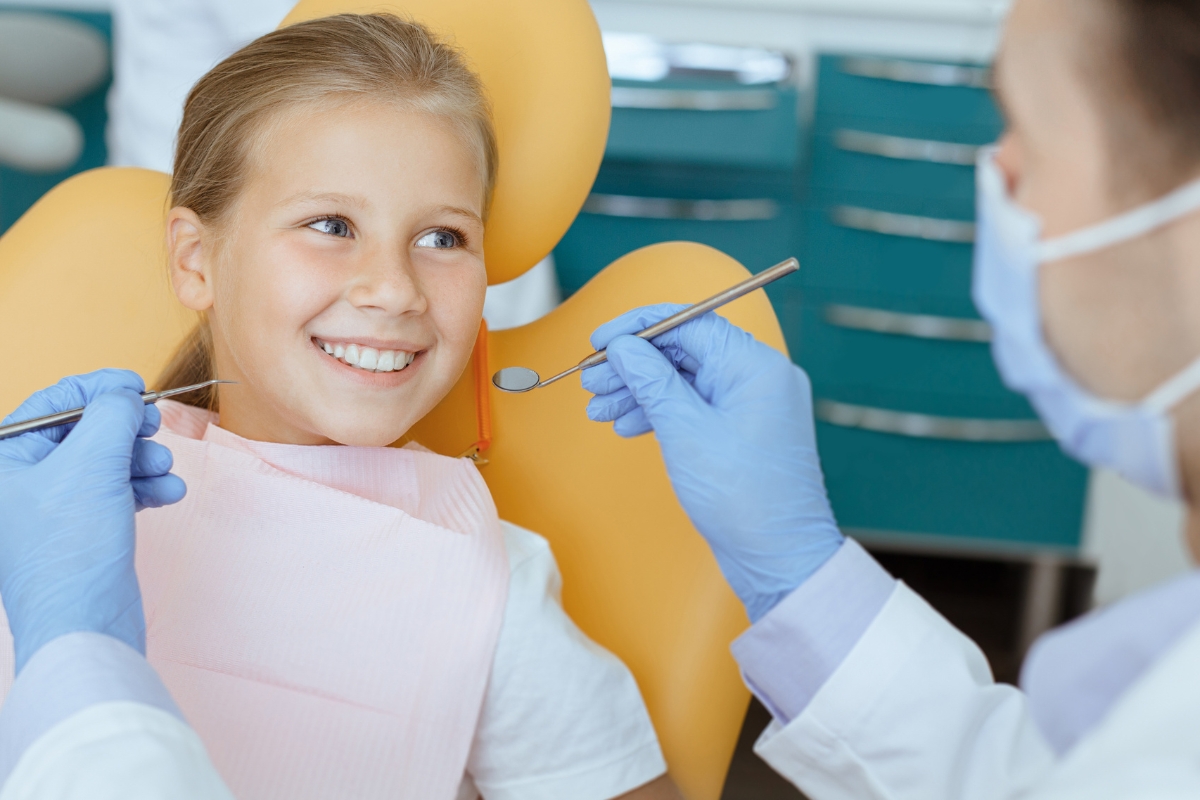
Child dental emergencies can happen anytime, and as a parent, acting fast at a critical time may greatly reduce your child’s pain and further injury. If it’s a fall during play, an injury on the soccer field, or an everyday accident, you will want to know what to do as soon as an injury happens. An immediate response to a dental emergency, before professional help is readily available, is crucial to protect your child’s oral health.
The key to dealing with a dental emergency is a clear and calm approach. Knowing the initial steps to care for a dental emergency until you can get to an emergency dentist can go a long way toward a faster, more complete recovery. In this blog, we’ll walk you through the steps that are most helpful in common childhood dental emergencies.
First Steps in Common Dental Emergencies
Immediate actions to take during a dental emergency will greatly help prevent further damage and alleviate your child’s pain. Whether your child has lost a tooth or has tooth pain, prompt care may help ensure your child’s tooth stays healthy.
1. Knocked Out (Avulsed) Tooth
In case of traumatic tooth loss, move fast! Find the lost tooth and carefully handle it by the crown, not the root. Rinse gently with water if dirty, but don’t scrub it. If you can successfully put it back into the socket, that’s the best solution. However, if you’re unable to do this, place the tooth in a safe place, such as a container of milk, your child’s saliva, or a tooth preservation kit, available at most drugstores.
Take your child to an emergency dentist in Allen immediately to help keep the tooth alive so it can be put back into the socket. Quick action, particularly for a permanent tooth, is essential for successful tooth implantation.
2. Fractured or Chipped Tooth
When your child breaks or chips a tooth, it’s vital to remain calm. Rinse your child’s mouth with warm water to clean the area. Apply a cold compress to your child’s cheek to reduce swelling and pain. Apply a clean piece of gauze or a cloth to the wound if it’s bleeding, and gather any pieces of the tooth (if they can be located) and bring them with you to the dentist.
An emergency dentist in Allen can then provide the necessary treatment, depending on the type of fracture. Bonding, a crown, or, in more complex cases, a root canal, are all options that an emergency dentist can perform for chipped or broken teeth.
3. Toothache
A toothache can be very upsetting for a child, and doesn’t necessarily indicate anything serious. The first step is to rinse the child’s mouth with warm water and use dental floss around the area in an effort to remove any food bits that may be causing the pain. Apply a cold compress to the outside of the mouth, not directly on the affected area, to reduce pain and swelling. Never put aspirin on the gums or teeth, as it may damage the gum tissue.
Visit an emergency dentist in Allen so that the cause of the toothache can be identified, whether it’s a cavity, infection, or something more serious.
4. Loose or Knocked-out Tooth
In young children, loose teeth are perfectly normal as part of their growth cycle. But if the tooth becomes loose due to an injury, there are several things to keep in mind: do not attempt to push or pull the tooth further in or out; this may cause further damage to the gums or bone beneath. If the tooth has been knocked out completely, it should be re-inserted into the mouth, where the child should bite down on a clean cloth to keep it in place until it can be examined.
An emergency dentist in Allen can assess any dental injury and ensure that there is no damage to surrounding gums or teeth.
5. Swelling or Abscess
Bacteria that cause dental infection can lead to an abscess or pus-filled sac on the child’s gums, which is often accompanied by extreme pain. A pimple-like lump may also form. If you notice any signs of swelling or an abscess on your child’s gums, see a dentist immediately, because an infection can spread rapidly to cause severe oral health problems. Rinsing the mouth with warm salt water may relieve discomfort while awaiting a dental appointment.
The emergency dentist in Allen will need to drain any abscess and may prescribe antibiotics. In extreme cases, the tooth may have to be extracted.
6. Foreign Object Stuck Between Teeth
Children can sometimes poke objects into their teeth with their fingers or tongue, or food particles can become lodged between teeth, causing extreme pain. Try gently removing the object with dental floss, sliding it out carefully. Avoid using any sharp objects to remove it. If you cannot safely remove it, it is best not to attempt it, so that the child does not further damage his teeth or gums. Contact an emergency dentist in Allen for help with the removal.
Things to Avoid During a Dental Emergency
In a dental emergency, while quick action is essential, it’s also important that you don’t do certain things:
- Don’t panic: Remaining calm will allow you to think more clearly.
- Don’t apply a hot or cold compress: These can increase the damage to a knocked-out tooth.
- Don’t apply pressure: Avoid forcing a broken tooth; this will only compound the problem.
- Don’t give your child Aspirin: It irritates the gum tissue and increases bleeding.
Immediate Care for Lasting Relief
It can be a scary time when your child experiences a dental emergency, and what you do or don’t do can make a significant difference to the discomfort that your child is feeling and to the outcome. At Allen Dental Lounge, we recognize that it’s always a priority to see a child with a dental emergency immediately.
If your child needs care for a dental emergency or to book an appointment for a serious injury, give us a call today. Our team will make sure you know we are here to guide you through your child’s dental emergency with courage.
Questions People Ask About Dental Emergencies
- How do I handle a knocked-out baby tooth?
If your child loses a baby tooth, don’t attempt to reinsert it. Keep the tooth clean and contact your dentist for guidance on the next steps to ensure no further complications arise from the loss. - What should I do if my child complains of a toothache?
Start by rinsing your child’s mouth with warm water to clean it and gently floss to remove any trapped food. Apply a cold compress to reduce swelling and pain, then schedule a dental visit for diagnosis. - Can a broken tooth be fixed right away?
Yes, many broken teeth can be repaired immediately, often with dental bonding or crowns. Your dentist will assess the damage and recommend the best treatment to restore the tooth’s function and appearance. - How do I know if my child has an abscess?
Signs of an abscess include swelling, a pimple-like bump, or severe pain around the affected tooth. An abscess requires immediate dental attention to drain the infection and prevent further complications. - What is the best way to treat a loose tooth in a child?
If the tooth is loose due to injury, avoid wiggling it. Clean the area gently, and schedule a dentist visit for proper evaluation to ensure there’s no underlying damage to the gums or bone. - How do I prevent dental emergencies in kids?
Encourage your child to wear a mouthguard during sports, avoid hard foods, and maintain good oral hygiene. Regular dental checkups also help catch potential problems early, reducing the risk of emergencies.
Allen Dental Lounge