1259 Alma Dr Suite 100, Allen, TX 75013



How Long Do Veneers Last? 5 Factors That Affect Their Longevity

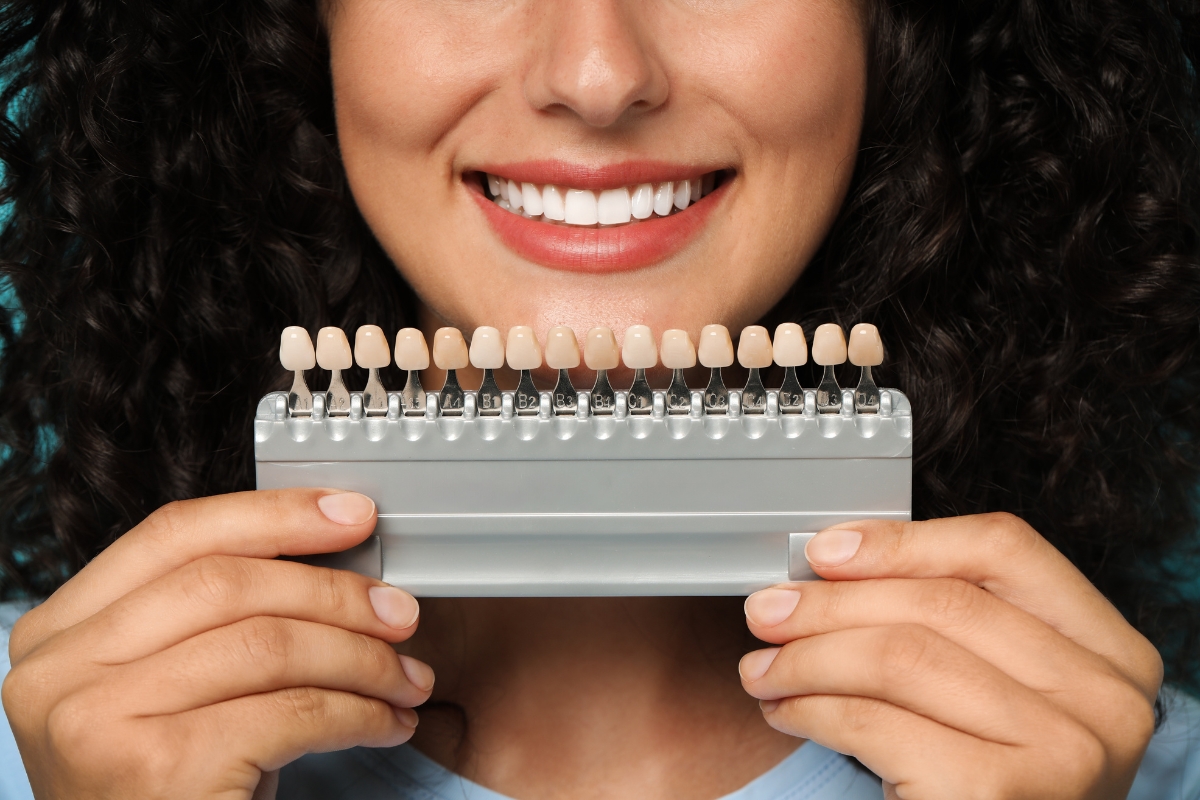
When considering veneers to enhance your smile, one of the most common questions patients ask is, “How long do veneers last?” In fact, you want to be sure your investment in your smile is profitable. In this blog, we will discuss five main factors that can affect your veneers’ lifespan, so you can use them for as long as possible. Veneers are an excellent way to transform your smile, but their lifespan depends on several factors you should be aware of before making a decision.
What Are Veneers?
Veneers are super thin, custom shells commonly featuring either porcelain or composite resin. Their main purpose is to cover the front of your teeth and thereby upgrade their visual appeal. Whether it’s hiding stains, mending small cracks, or even correcting tooth alignment, veneers have become one of the most popular cosmetic dental treatments. While they can dramatically improve the aesthetics of your smile, their durability depends on several factors.
5 Key Factors That Affect the Longevity of Veneers
1. Quality of Materials Used
It is also the materials used for your veneers that determine their lifespan most of all. Porcelain veneers in Allen, TX, are popular because they are long-lasting and rarely get stained. So, they have a longer lifespan compared to composite veneers, which are more frequently in need of touch-ups. High-quality materials are the only way to make your veneers last for a long time.
2. Oral Hygiene Habits
Just like natural teeth, veneers also need proper oral care to stay in good condition. Along with brushing your teeth twice a day, flossing regularly, and using mouthwash, these steps will help keep your veneers and gums healthy. Neglecting oral hygiene can lead to plaque accumulation, which can destroy the veneers and the teeth adjacent to them.
3. Teeth Grinding or Clenching
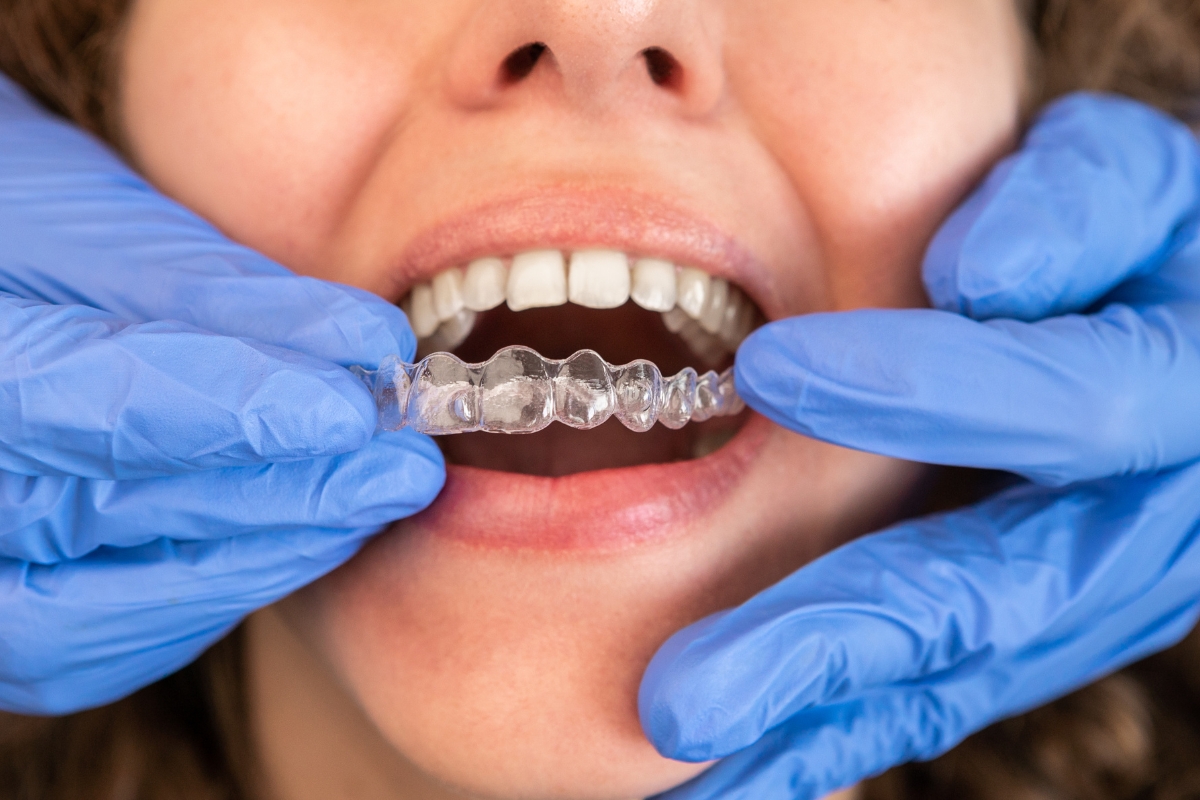
Those who grind their teeth or clench their jaws (bruxism) are likely to experience a short lifespan of their veneers in Allen, TX. Continuous pressure may cause the veneers to crack or their surfaces to thin more rapidly. The best way, if you have a history of teeth grinding, is to discuss options with your dentist, such as wearing a nightguard to protect your veneers.
4. Diet and Habits
Your diet and lifestyle can impact the longevity of your veneers. Eating hard foods, for example, can put significant pressure on your veneers, increasing the risk of cracks (especially with hard foods like nuts and ice). In addition, consuming staining drinks (e.g., coffee or red wine) can stain or discolor your veneers, particularly if they are made from composite. To prolong the life of your veneers, avoid biting your nails and chewing on hard materials.
5. Proper Professional Care
Regular dental visits (checkups and cleanings) are important in prolonging the life of your veneers. The professional cleanings remove built-up plaque and tartar, keeping your veneers intact and functional. In addition to cleaning your veneers, your dentist’s routine examination allows for the monitoring and identification of potential problems before they escalate.
Conclusion: Take Care of Your Veneers With Proper Care
Veneers are a long-lasting way to improve your smile; however, many factors determine how long they will last. You can keep your smile looking its best by maintaining daily oral hygiene, caring for your veneers, and avoiding behaviors that may harm them.
If you’re considering veneers in Allen, TX, Allen Dental Lounge is available to help you through the entire process, from start to finish, and to make sure that you get the results that you want. Book your consultation with Allen Dental Lounge today!
FAQs
1. What is the average lifespan of veneers?
Veneers are designed to last 10 to 15 years, depending on the type of veneer and how well you care for it.
2. Can veneers become discolored over time?
Porcelain veneers resist staining, while composite veneers are much more susceptible to staining over time due to the consumption of foods and drinks that can stain teeth, such as coffee and red wine.
3. Do I have to refrain from eating any particular foods when I have veneers?
If you have veneers, avoid eating very hard or sticky foods to help protect them from damage.
4. Are veneers hard to manage?
No, veneers require the same care as your natural teeth (e.g., brushing, flossing, and regular dental visits).
5. What happens if my veneer breaks?
Depending on the extent of the veneer break, it can usually be repaired or replaced by your dentist.
6. How can I tell if I need to replace my veneers?
If you have cracks in your veneers, or chips that are not repairable with cleaning, or discoloration that does not go away with cleaning, it may be time to replace your veneers.
7. Are there other treatments available for cosmetic dental enhancement besides veneers?
Yes, other methods for improving your smile through cosmetic dentistry include tooth whitening, bonding, and crowns, depending on your specific needs. Depending on your specific needs, always consult your dentist to determine which treatment is best for your smile.
Allen Dental Lounge